

 01745 799783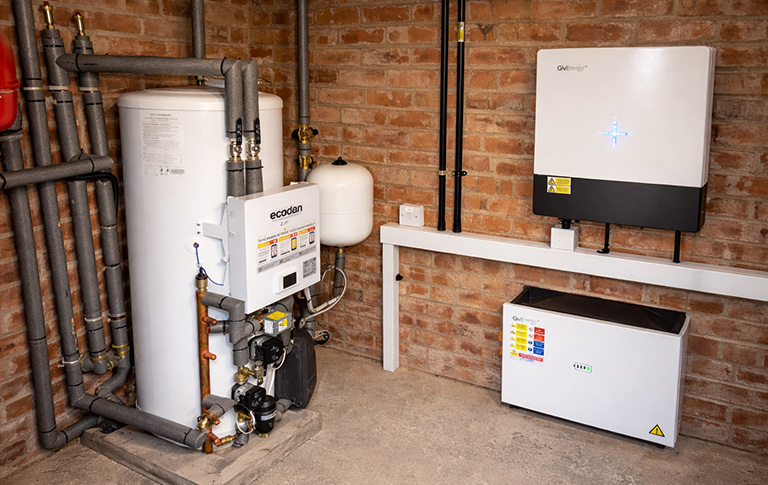
How one household cut its energy bills by over 60 percent
Most people do not start thinking about renewable energy because they are excited by technology. They start because their bills have gone up, their home is uncomfortable, and their current heating system is no longer doing the job it should. That was exactly the situation when a homeowner in North Wales came to PHR.
The property was a three-bedroom semi-detached house running on an ageing gas boiler with no renewable technologies in place. The heating was on regularly, but the results were inconsistent. Some rooms were warm enough, others were permanently cold. Annual energy costs had reached between £2,400 and £2,800, and the household was looking for a long-term solution rather than another short-term fix.
A whole-home energy approach
Rather than looking at individual upgrades in isolation, PHR assessed the property as a complete energy system. It was clear from the outset that the biggest gains would come from technologies working together rather than being installed piecemeal.
Following a detailed heat loss survey and assessment, PHR designed and installed a fully integrated package: an 8kW air source heat pump, a 4.2kWp solar PV system with ten panels, and a 5.2kWh battery storage unit. Together, these systems would allow the property to heat more efficiently, generate its own renewable electricity, and store surplus energy for use during peak evening hours.
This is exactly the kind of joined-up, whole-home energy solution PHR specialises in across North Wales and the North West, combining MCS-certified renewable technology with a clear understanding of how each element performs in a real property.
The results
The total cost of the installation came to approximately £19,000, covering £9,500 for the air source heat pump, £6,000 for the solar PV installation, and £3,500 for the battery storage. Through the Boiler Upgrade Scheme (BUS), the homeowner received a £7,500 grant, reducing the out-of-pocket cost to around £11,500.
Once installed, the air source heat pump delivered steady, consistent heat throughout the property, operating at a seasonal coefficient of performance (SCOP) of between 3.2 and 3.5 against an annual heating demand of around 10,500 kWh. The solar panels generated approximately 3,600 kWh of electricity each year, with 65 to 70 percent of that energy retained within the home through battery storage.
Annual energy costs fell to between £900 and £1,200 — a saving of well over £1,500 per year. With a payback period of between seven and nine years, and an expected EPC rating improvement from D to B, the investment has strengthened both the performance and the long-term value of the property.
In the homeowner’s words
We did not realise how much we were putting up with until it changed. The house is warm all the time now, not just when the heating kicks in. The whole process felt straightforward from start to finish and we always knew what was happening. It has taken a lot of the worry away around energy bills, and the house just feels comfortable in a way it never did before.
That is the outcome PHR aims for on every project. Lower running costs, a warmer home, and a system the household understands and trusts.
For homeowners across North Wales, Cheshire, and the wider North West who are dealing with rising bills and ageing heating systems, this kind of integrated renewable energy solution is worth understanding. It is not simply about replacing a boiler. It is about rethinking how a home uses energy altogether. Get in touch with PHR to find out what is possible for your property.