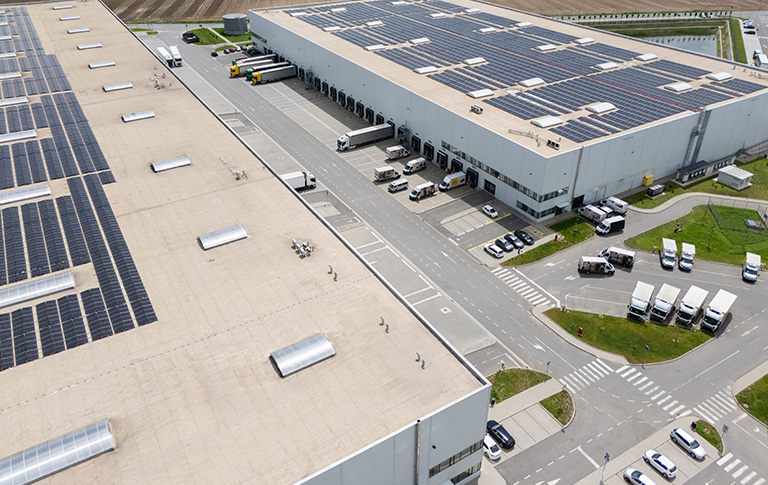
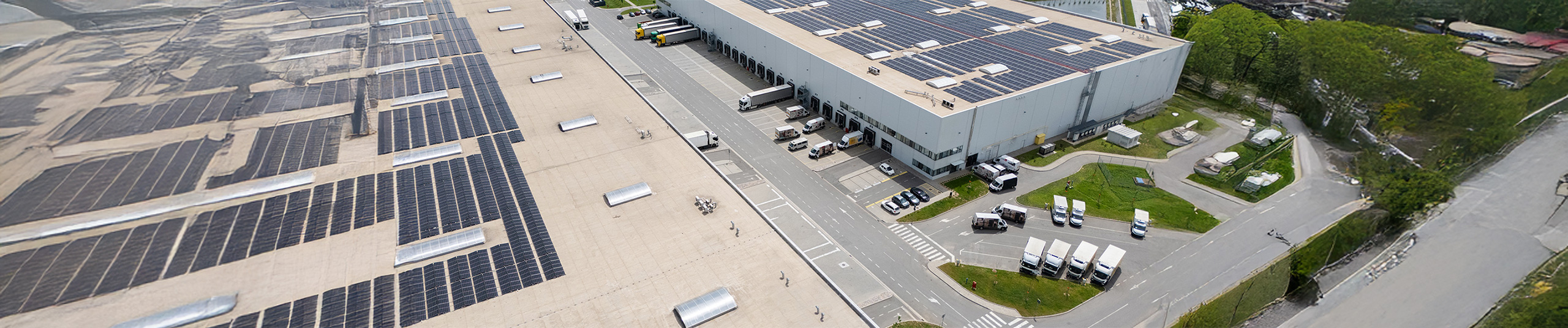
Businesses, public sector organisations, and commercial property owners across North Wales, Cheshire, the Wirral, and the wider North West may be able to access funding or financial support to improve the energy efficiency of their buildings. These programmes can support renewable energy technologies such as solar photovoltaic (PV) systems and air source heat pumps, alongside wider building improvements designed to reduce operational energy consumption and long-term energy costs.
PHR provides structured guidance to help organisations understand which commercial funding routes may apply based on the building type, project scope, and organisational eligibility. Before planning improvements, an early project assessment can help identify the most suitable options, as funding schemes vary significantly by sector and location.
Across Wales and the North West, several funding and finance programmes may support commercial energy improvement projects. The availability and structure of these schemes can vary depending on the project’s scale, business type, and building use.
The Development Bank of Wales offers green business loans designed to support organisations investing in energy-efficiency improvements and low-carbon technologies. These loans can help businesses fund projects, such as renewable energy systems, heating upgrades, and building efficiency improvements that reduce operational energy consumption.
Loan terms and eligibility are assessed based on business circumstances and project viability. The programme is designed to support organisations looking to improve environmental performance while maintaining financial flexibility during capital investments.
Power Purchase Agreements provide an alternative route for organisations seeking to install solar energy systems without upfront capital investment. Under a PPA arrangement, a third-party provider installs and maintains the solar PV system while the building owner purchases the electricity generated at an agreed long-term rate.
This model can help businesses reduce electricity costs and improve energy price stability while avoiding the initial capital cost of system installation. Larger commercial buildings with consistent daytime electricity demand typically suit PPA arrangements.
Certain smaller commercial buildings that meet the eligibility criteria can also apply for the Boiler Upgrade Scheme. The programme provides grant funding for the installation of air source heat pumps, supporting the transition from traditional fossil-fuel heating systems to lower-carbon alternatives.
The scheme currently offers grants of up to £7,500 for eligible heat pump installations. Projects must meet specific technical requirements, and eligibility depends on the property type and heating system being replaced, such as ensuring that the existing system is outdated and that the property is suitable for the installation of air source heat pumps.
Ynni Cymru provides funding support for renewable energy and decarbonisation projects in Wales. These grants aim to help organisations reduce carbon emissions and improve energy resilience through investments in renewable technologies and infrastructure.
Funding availability and eligibility requirements vary by programme round and project scope. The scheme often supports projects that contribute to wider community or regional decarbonisation objectives, such as enhancing local renewable energy sources or improving energy efficiency in public facilities.
In some cases, community-led or regionally delivered funding programmes may be available to support renewable energy installations or energy efficiency improvements in commercial or community buildings.
These initiatives may be delivered through local authorities, regional partnerships or community energy organisations. Eligibility often depends on project scale, organisational structure and the potential community benefits associated with the proposed energy improvements.
Depending on the programme and eligibility criteria, commercial financing may support a variety of building improvements aimed at reducing operational energy consumption and improving environmental performance.
Typical supported measures may include renewable energy generation such as solar PV systems; low-carbon heating technologies, including air source heat pumps, insulation improvements, energy-efficient heating upgrades and other building fabric improvements designed to reduce energy demand.
Projects may be delivered as standalone improvements or as part of a broader building decarbonisation strategy across one or more properties.
Certain renewable energy and energy-efficiency installations may benefit from VAT relief or reduced VAT rates, depending on the building type and project type.
For example, some energy-saving technologies installed in residential elements of mixed-use properties or qualifying projects may be eligible for reduced VAT rates under current UK tax legislation. VAT treatment varies depending on the installation type and building classification.
PHR ensures that all qualifying installations are invoiced in accordance with current VAT legislation and provides guidance on VAT considerations when they form part of project planning.
In addition to national schemes, local authorities and regional organisations across Wales, the North West, Cheshire, and the Wirral may periodically offer funding programs aimed at supporting business decarbonisation and energy efficiency improvements.
These initiatives may focus on specific industries, building types, or geographic areas, and they can support measures such as renewable energy installations, heating upgrades, or wider building efficiency improvements.
Availability varies depending on local authorities’ priorities and funding allocations, so early project discussions can help identify opportunities when programmes become available.
Each funding programme operates with its own eligibility criteria. Requirements may depend on the building type, project scale, organisational structure, and the energy systems currently installed on the property.
Some programmes are designed to support smaller businesses or specific sectors, while others focus on projects that demonstrate measurable carbon reduction or energy-efficiency improvements across larger building portfolios.
Each scheme operates independently, so not all projects will qualify for every funding program. A structured eligibility review can help organisations identify the most appropriate funding routes before moving forward with project planning.
Energy funding programmes operate within clearly defined technical and compliance frameworks. PHR supports organisations by providing structured guidance during the early planning stages of commercial energy projects.
Our team helps organisations understand funding eligibility, assess building suitability, and plan energy improvements in order to align with programme requirements.
Where appropriate, we can support installation services for eligible energy measures, including solar PV systems, air source heat pumps and wider building efficiency improvements. This guarantees the delivery of projects in accordance with established standards and funding compliance requirements.


 01745 799783